

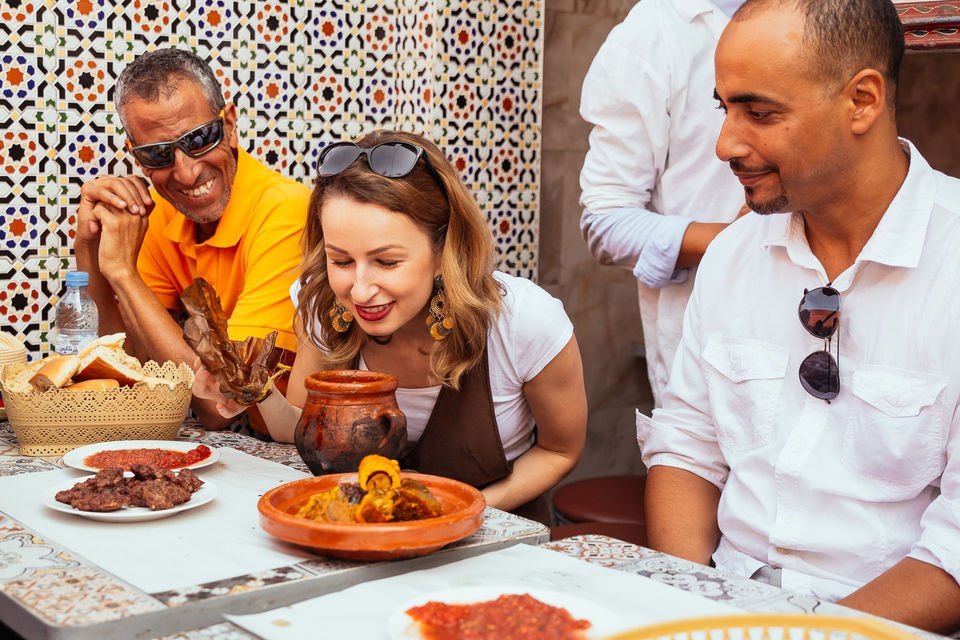
Imagine stepping into a bustling Moroccan home, the air thick with the aroma of simmering tagine, fresh mint tea brewing on a silver tray, and a warm chorus of “Bismillah” welcoming you to the table. As a tourist, dining in Morocco is not just about savoring exotic flavors—it’s an immersive cultural ritual that demands respect, curiosity, and a willingness to embrace the unfamiliar. From communal dishes to the art of sipping tea, Moroccan food etiquette is a dance of tradition, hospitality, and community. In this guide, I’ll take you through the heart of Moroccan dining customs, weaving in stories, practical tips, and expert insights to ensure you dine with grace and leave with unforgettable memories. Whether you’re invited to a family home or exploring a vibrant souk, here’s everything you need to know to navigate Moroccan food etiquette like a seasoned traveler.
Why Food Etiquette Matters in Morocco
Moroccan dining is more than a meal; it’s a cultural cornerstone that reflects the country’s deep-rooted values of hospitality, generosity, and collectivism. In Morocco, sharing food fosters bonds, and every gesture—from how you hold your bread to how you compliment the host—carries meaning. Missteps, like using your left hand or diving into a communal dish too eagerly, can unintentionally offend. Understanding these customs not only shows respect but also deepens your connection to the culture. As Journey Beyond Travel notes, Moroccans are incredibly welcoming, but respecting their norms ensures smoother, more authentic interactions. Let’s dive into the key aspects of Moroccan food etiquette, starting with the golden rule of dining: the right hand.
The Right Hand Rule: A Non-Negotiable
In Morocco, the right hand is your ticket to polite dining. The left hand is traditionally considered “unclean” because it’s reserved for personal hygiene tasks. This cultural norm, rooted in Islamic tradition, is non-negotiable when eating, greeting, or passing items. I learned this the hard way during my first tagine experience in Marrakech. Excitedly reaching for a piece of bread with my left hand, I noticed my host’s polite but pointed glance. A quick correction and a sheepish smile later, I was back on track.
- Always use your right hand for eating, dipping bread, or accepting food.
- Use your left hand sparingly, ideally only to tear bread or hold a plate.
- Be mindful in communal settings, as reaching across a dish with your left hand can disrupt the meal’s harmony.
This rule applies whether you’re dining in a home or a restaurant. According to Etiquipedia, eating with your left hand is akin to a social faux pas, signaling disrespect. Practice using your right hand before your trip—it’s a small gesture that speaks volumes.
Communal Dining: Sharing is Caring
Moroccan meals are a celebration of togetherness, often served on a single large plate or tagine placed at the center of the table. Picture a steaming dish of couscous topped with vibrant vegetables and tender lamb, surrounded by a circle of eager diners. The catch? You only eat from the section directly in front of you. Reaching across to someone else’s portion is a major etiquette breach. Pilot Guides emphasizes that this communal style reflects Morocco’s collectivist culture, where sharing food strengthens community bonds.
- Stick to your section: Eat only from the portion closest to you to avoid encroaching on others’ space.
- Wait for the host’s cue: The head of the household often takes the first bite, especially with meat, signaling when it’s appropriate to dig in.
- Use bread as a utensil: Most dishes, like tagine, are eaten with bread (khobz) instead of forks or spoons. Tear a small, bite-sized piece and use it to scoop food.
During a memorable lunch in Fez, I watched my host expertly use a piece of khobz to scoop up a morsel of chicken tagine, her movements precise yet effortless. Mimicking her, I felt a sense of connection to the meal and the people around me. If you’re hesitant about eating with your hands, don’t worry—silverware is often available in restaurants or upon request, as noted by StayHere.ma.
The Art of Mint Tea: Morocco’s Social Ritual
No discussion of Moroccan food etiquette is complete without mentioning mint tea, often called “Moroccan whiskey” for its cultural significance. This sweet, aromatic drink, served in ornate glasses, is a symbol of hospitality. The ritual of pouring tea from a height to create a frothy top is an art form, and accepting it graciously is a must. Refusing tea, even if you’re not thirsty, can be seen as rejecting the host’s generosity. Access Culinary Trips advises taking at least a small sip to honor the tradition.
- Accept the first glass: Even if you’re not a tea drinker, a polite sip shows appreciation.
- Compliment the tea: Phrases like “tbarkellah” (blessed is God) or a simple “shukran” (thank you) go a long way.
- Savor slowly: Tea is meant to be enjoyed over conversation, not gulped down.
I recall sitting in a riad in Essaouira, the sea breeze mingling with the scent of mint as our host poured tea with theatrical flair. His pride in the ritual was palpable, and my hesitant “shukran” earned a warm smile. Learning a few phrases, as suggested by Journey Beyond Travel’s guide to Moroccan words, can enhance these interactions.
Handwashing: A Pre- and Post-Meal Ritual
Cleanliness is paramount in Moroccan dining, especially since you’re often eating with your hands. Before and after meals, a jug and basin may be passed around for handwashing, sometimes with rose or orange-scented water. This ritual isn’t just practical—it’s a sign of respect for the meal and your fellow diners. Wild Morocco highlights that participating willingly in handwashing signals your readiness to engage in the meal fully.
- Wash before eating: Always clean your hands, even if they seem clean, to honor the ritual.
- Post-meal hygiene: Wash again after eating to maintain cleanliness.
- Follow the host’s lead: If a basin isn’t provided, ask politely or use a nearby sink.
In a small village near the Atlas Mountains, I was handed a fragrant basin before a couscous feast. The act felt ceremonial, almost sacred, setting the tone for the meal. Embracing this ritual not only keeps things hygienic but also immerses you in the cultural experience.
Complimenting the Host: The Power of Gratitude
Moroccans take pride in their hospitality, and expressing gratitude is a key part of dining etiquette. Complimenting the food, the presentation, or the host’s effort fosters goodwill. Simple phrases like “Bismillah” (in God’s name) before eating or “tbarkellah” after a dish show respect and appreciation. Le Trou Au Mur suggests that acknowledging the host’s effort, even with a smile, creates a positive atmosphere.
- Say “Bismillah”: This phrase, meaning “in the name of God,” is often said before starting a meal.
- Praise the food: Comments like “This tagine is delicious!” or “The tea is perfect” are always appreciated.
- Avoid criticism: Even if a dish isn’t to your taste, focus on the positive aspects of the experience.
During a dinner in Rabat, I fumbled through a compliment in broken Arabic, only to be met with laughter and a heartfelt “shukran.” It was a reminder that sincerity matters more than perfection. If you’re dining with dietary restrictions, politely inform your host in advance, as noted by Fast Track Marrakech.
Friday Couscous: A Weekly Tradition
In Morocco, Fridays are synonymous with couscous. After noon prayers, families gather to share this national dish, often served with vegetables, meat, and a glass of lben (buttermilk). This tradition, rooted in the Maghreb region, is a weekly celebration of faith and family. The George Washington University’s study abroad guide notes that tourists staying with host families should expect a hearty couscous meal on Fridays.
- Embrace the ritual: Even if couscous isn’t your favorite, participate to honor the tradition.
- Use a spoon if needed: While some Moroccans form couscous into balls with their hands, spoons are common for guests.
- Savor the moment: Friday couscous is as much about community as it is about food.
My first Friday couscous in Casablanca was a feast of flavors—fluffy semolina, tender lamb, and a tangy lben that cut through the richness. Joining the family in this ritual felt like being welcomed into their inner circle. If you’re dining out, many restaurants serve couscous on Fridays, so plan accordingly.
Navigating Dietary Restrictions
Morocco’s cuisine is rich with lamb, chicken, and spices, but what if you’re vegetarian, vegan, or have allergies? Communicating dietary needs politely is key. Moroccans are accommodating, but their cuisine leans heavily on meat and dairy. Crossroads Cultural Exchange suggests informing your host or restaurant staff in advance to avoid awkward moments.
- Be clear but polite: Say, “I don’t eat meat, is there a vegetable option?” in a respectful tone.
- Expect bread-heavy meals: Vegetarians can rely on khobz, salads, and vegetable tagines.
- Bring snacks if unsure: In remote areas, plant-based options may be limited.
I once traveled with a vegan friend who navigated Moroccan menus by requesting vegetable tagines and harissa-spiced salads. Her polite inquiries were met with creative dishes, proving that flexibility and communication go a long way.
Tipping and Diner-Waiter Dynamics
In Moroccan restaurants, tipping is expected but follows unique norms. A 10% tip is standard, but leaving just one dirham, even if mathematically correct, is considered an insult. Experience It Tours advises leaving at least 2 dirhams for small bills, like a 6-dirham coffee. Waiter interactions also differ—servers may seem distant, but this is cultural, not personal. Signal when you’re ready to order or pay.
- Tip generously but wisely: Round up to at least 2 dirhams, or 10% for larger bills.
- Signal for service: Raise your hand or make eye contact to get the waiter’s attention.
- Say “shukran”: A thank-you to your server builds rapport.
At a bustling Marrakech café, I initially felt ignored until I realized I needed to wave down the waiter. A small tip and a “shukran” later, I was treated to a warm smile and extra mint tea. These small gestures make dining out a smoother experience.
Comparison Table: Moroccan Dining Etiquette vs. Western Norms
| Aspect | Moroccan Dining | Western Dining |
|---|---|---|
| Hand Usage | Right hand only for eating; left hand is considered unclean. | Both hands used freely; no cultural restrictions. |
| Communal Eating | Food served on a single plate; eat only from your section. | Individual plates; sharing is less common. |
| Utensils | Bread or right hand for most dishes; spoons for couscous. | Fork, knife, and spoon are standard. |
| Tipping | 10% minimum; 1-dirham tips are insulting. | 15-20% in restaurants; more flexible for small bills. |
| Hospitality | Hosts push food as a sign of generosity; refusing can offend. | Hosts may offer seconds, but refusal is generally accepted. |
| Tea Culture | Mint tea is a social ritual; refusing is impolite. | Tea or coffee is optional; no cultural obligation to accept. |
| Meal Timing | Lunch is the main meal, often midday; dinner is late. | Dinner is often the main meal, served in the evening. |
This table highlights how Moroccan dining emphasizes community and ritual, contrasting with the individualistic approach common in Western cultures. Understanding these differences prepares you for a more respectful dining experience.
Dining in a Moroccan Home: A Special Honor
Being invited to a Moroccan home is a privilege, often accompanied by lavish spreads and warm hospitality. Hosts may pile food into your section of the communal dish, a gesture of generosity. Accepting these offerings, even in small amounts, is polite. MarocMama shares a story of an American guest overwhelmed by a three-hour lunch, highlighting the importance of pacing yourself and showing gratitude.
- Bring a small gift: Flowers, chocolates, or pastries are thoughtful gestures.
- Remove shoes: Leave shoes at the door to respect the home’s cleanliness.
- Pace yourself: Meals can last hours, so eat slowly to avoid overfilling.
My own experience in a Tangier home taught me to accept every offering, from extra couscous to a third glass of tea, with a smile. The host’s joy at my enjoyment was worth the slight discomfort of a full stomach.
Ramadan and Food Etiquette
During Ramadan, Morocco’s dining customs shift. Non-Muslims aren’t expected to fast, but eating or drinking in public during daylight hours can be seen as disrespectful. Frommers advises consuming meals in private or in tourist-friendly restaurants. If invited to break the fast (iftar), arrive on time and expect a feast of dates, harira soup, and sweets like chebakia.
- Eat discreetly: Avoid public eating during fasting hours.
- Join iftar respectfully: Say “Bismillah” and follow the host’s lead.
- Appreciate the spread: Iftar is a celebration, so express gratitude for the variety.
I once joined an iftar in Chefchaouen, where the warmth of the family’s welcome rivaled the richness of the harira. Respecting Ramadan’s customs deepened my appreciation for Moroccan hospitality.
FAQ: Common Questions About Moroccan Food Etiquette
Q: Is it rude to refuse food in a Moroccan home?
A: Refusing food can be seen as rejecting hospitality, so accept a small portion even if you’re not hungry. Politely pat your stomach and say “La, shukran” (No, thank you) if offered more.
Q: Can I use utensils instead of my hands?
A: Yes, utensils are often available in restaurants or upon request. In homes, bread is the primary “utensil,” but you can ask for a spoon for couscous if needed.
Q: What if I’m vegetarian or have allergies?
A: Inform your host or restaurant politely in advance. Vegetable tagines and salads are common, but options may be limited in rural areas, so bring snacks as a backup.
Q: How do I compliment the host without speaking Arabic?
A: A smile and “shukran” (thank you) are universally understood. Phrases like “tbarkellah” or “Bismillah” are appreciated but not mandatory for non-Muslims.
Q: What’s the deal with mint tea?
A: Mint tea is a symbol of hospitality. Accept at least one glass and take a sip, even if it’s not your taste. Complimenting the tea’s flavor shows respect.
Q: Is tipping required in restaurants?
A: Yes, a 10% tip is standard, but avoid leaving just one dirham, as it’s considered insulting. For small bills, leave at least 2 dirhams.
Conclusion: Savoring Morocco, One Bite at a Time
Moroccan food etiquette is a gateway to the country’s soul, where every meal tells a story of community, tradition, and generosity. From the right-hand rule to the art of sipping mint tea, these customs invite you to slow down, connect, and savor the moment. My own journey through Morocco’s dining culture—from fumbling with khobz in Marrakech to sharing couscous in a village home—taught me that respect and curiosity open doors to unforgettable experiences. As you plan your trip, practice these etiquette tips, learn a few Arabic phrases, and embrace the warmth of Moroccan hospitality. Whether you’re navigating a bustling souk or dining with a family, you’ll find that Morocco’s flavors are as rich as its traditions. Ready to dive in? Research local restaurants, pack a small gift for potential hosts, and prepare to taste the magic of Morocco—one respectful bite at a time.